Physiotherapy
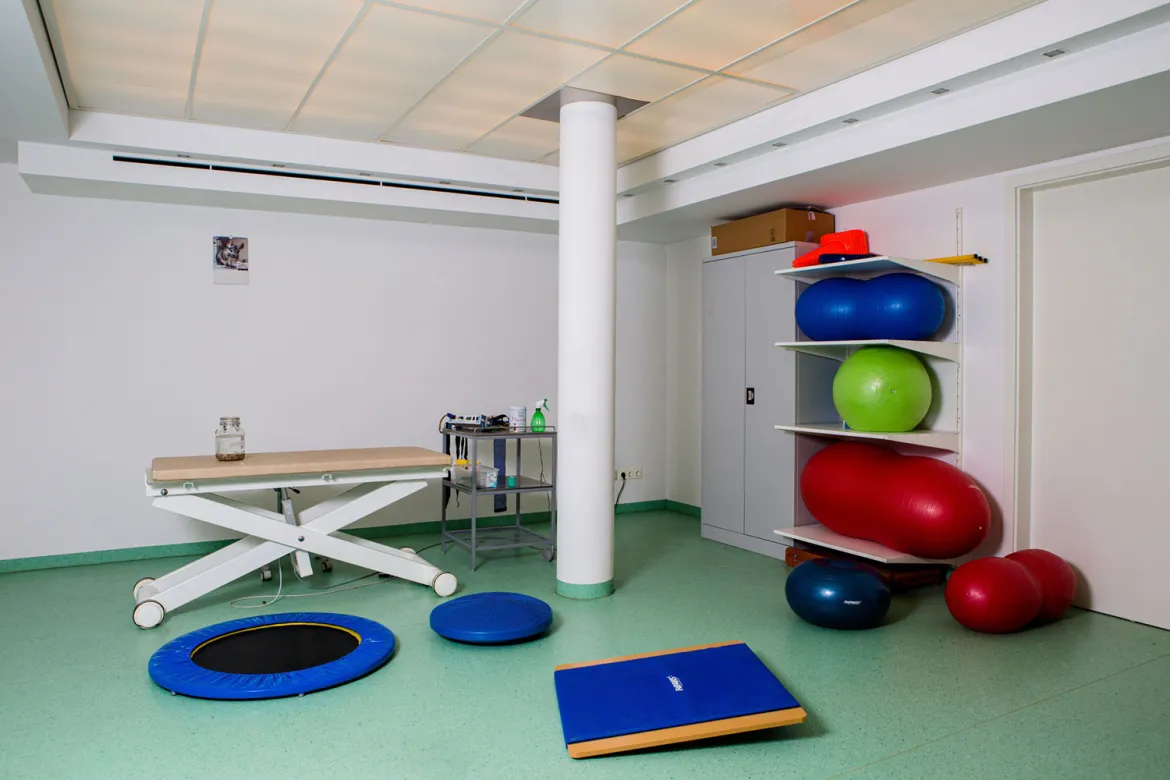
To ensure your four-legged companion can fully relax during treatment, our physiotherapy unit is located in a very quiet area within the Kleintierzentrum.
As throughout the entire Kleintierzentrum, great importance is placed on comfort and well-being.
Ute Einsporn
Animal Physiotherapist
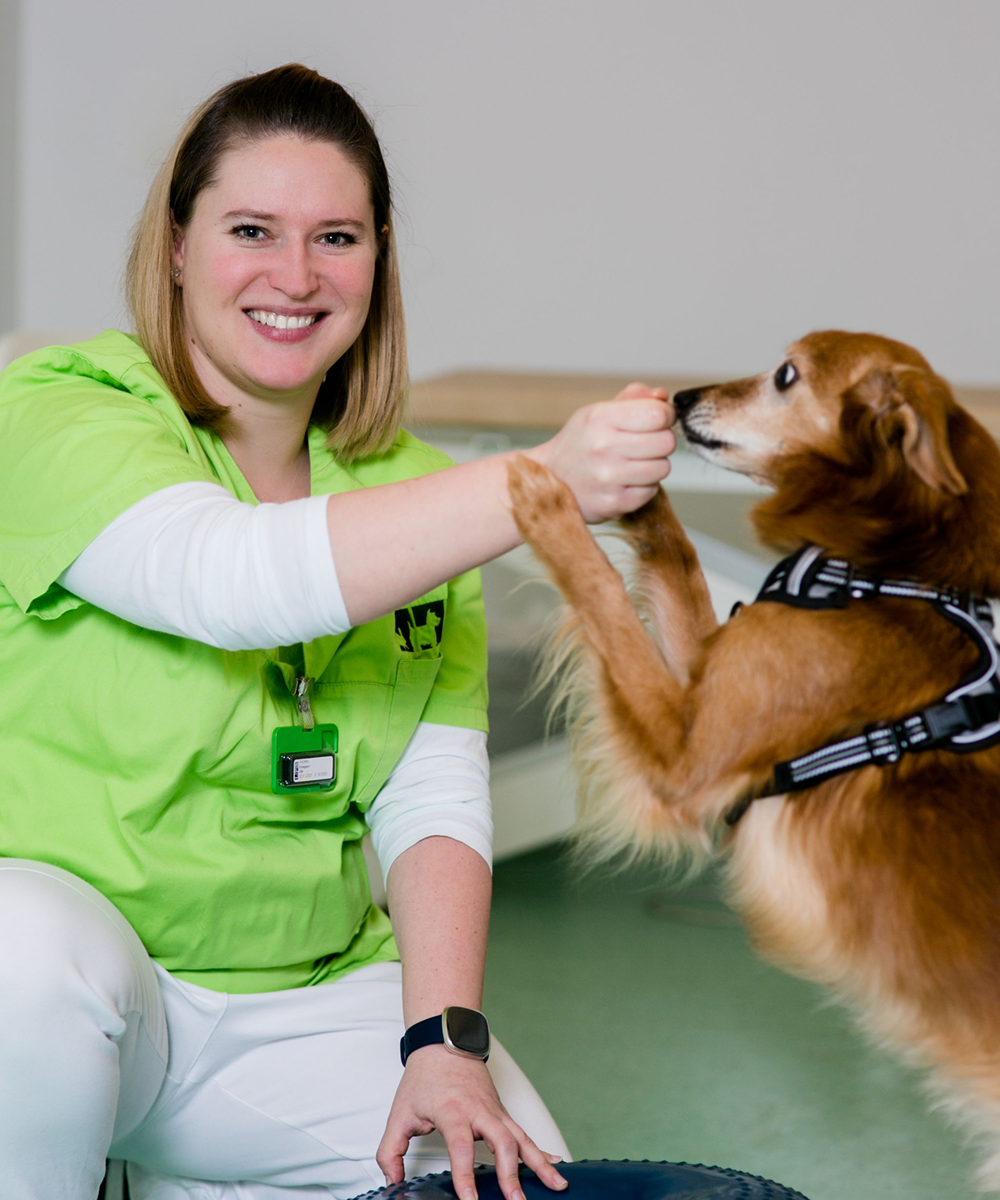
My name is Ute Einsporn and I successfully completed my training as a veterinary nurse in 2013. I then completed a two-year advanced training program in physiotherapy for small animals. Through numerous further training courses, I have continuously expanded my knowledge and skills, and since 2020 I have been pleased to offer my services as a small animal physiotherapist at the Kleintierzentrum am Waldpark.
My goal is to help animals regain their joy of movement.
Continuing education and training:
- Physiotherapy for small animals (Vierbeiner Rehab Center Bad Wildungen)
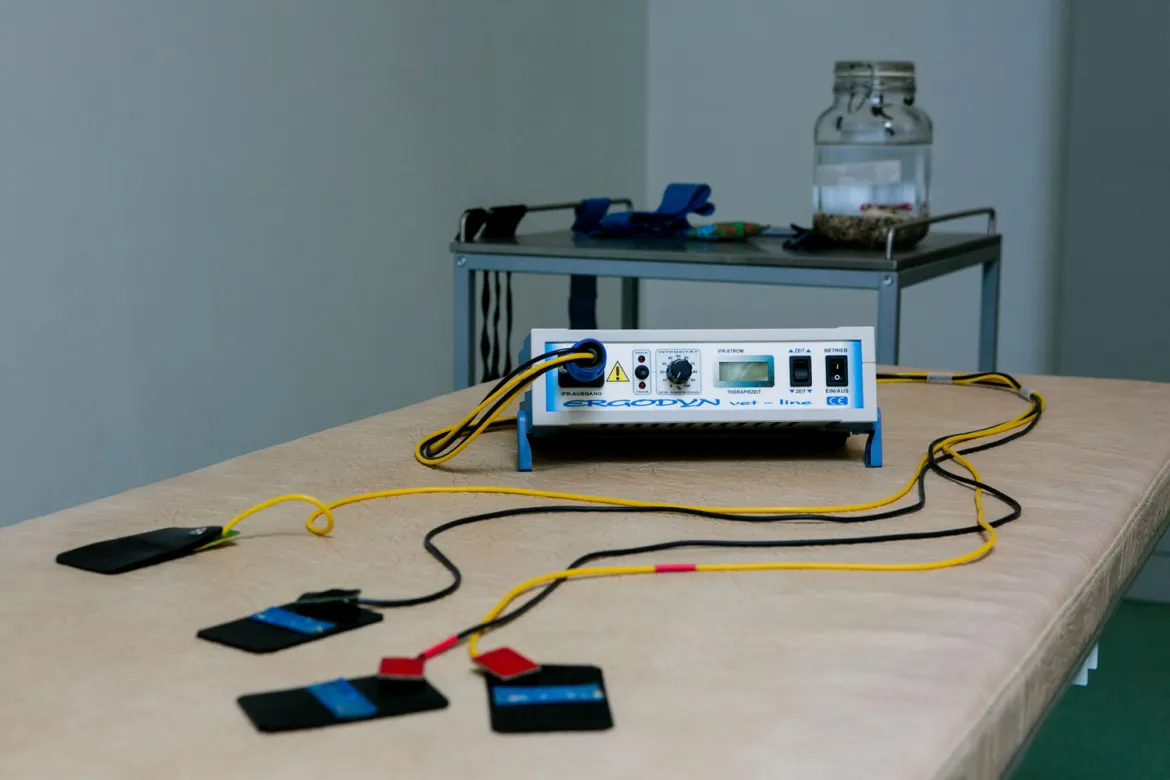
- Therapeutic applications using interferential current
- Leech therapy in animals
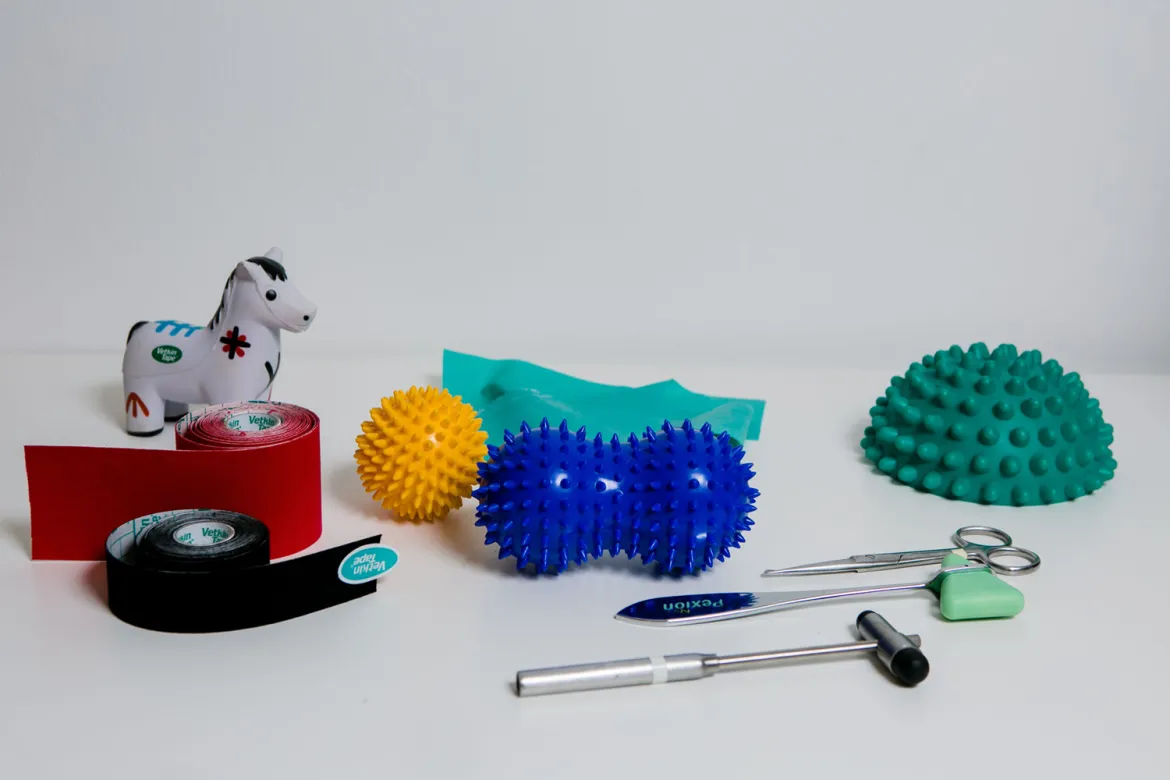
- Kinesio taping in animals
- Neurology course for small animals
- Movement therapy for small animals
- Orthopedics course for small animals
- Animal orthopedics / orthopedic techniques for small animals
- Modern acupuncture in animals
- Hydrotherapy in animals
Lisa Wiegand
Animal Physiotherapist

My name is Lisa Wiegand. I completed my training as a veterinary nurse in 2010. My subsequent six-year stay in Lapland — shaped by intensive work and collaboration with sled dogs — strongly inspired me to pursue further training as a physiotherapist for small animals.
Since 2025, I have been part of the team at the Kleintierzentrum am Waldpark and I am delighted to contribute my diverse experience and expertise to the care of our animal patients.
My goal is to specifically improve my patients’ mobility, relieve pain, and support them as best as possible in their daily lives.
Range of services:
- Classical massage
- Therapeutic applications using magnetic field therapy
- Leech therapy
- Kinesio taping
- Therapeutic applications using sound wave therapy
Continuing Education and Training:
- Segmental, connective tissue and fascial therapy for dogs
- Gait analysis in dogs
- Kinesio taping for dogs
- Leech therapy
Approach / Procedure
Each new patient undergoes a comprehensive initial examination (60–90 minutes). This includes taking a detailed medical history, gait analysis, and a thorough assessment of joints, tissues, and their functionality. Based on these findings, we create an individualized therapy plan.
This plan includes an approximate treatment schedule, exercises for the owner to carry out at home, as well as defined therapy goals and treatment approaches implemented in our practice.
During follow-up appointments (approx. 30 minutes), the therapy plan is continuously adjusted — if necessary — to the needs and possibilities of both the patient and the owner.
In cases of more serious conditions, we work closely with a nearby veterinary clinic and will refer patients if additional diagnostics are required.
Services
The Full Range of Animal Physiotherapy
Manual Therapy
This primarily involves massage and passive movement exercises to relieve tension, stimulate the muscles, and maintain joint mobility. Massage techniques apply various stimuli to influence muscles as well as skin and connective tissue.
Lymphatic Drainage
Lymphatic drainage is a very gentle form of treatment with significant effects.
It specifically stimulates lymphatic flow to reduce swelling and fluid accumulation.
Movement Therapy
Movement therapy uses targeted exercises to improve gait, build strength and endurance, and enhance body awareness.
Interferential Current Therapy
Interferential current therapy is a very gentle and comfortable method used to relieve muscle tension, stimulate metabolic processes, activate nerves, and reduce pain.
Taping
Taping stimulates the body’s natural healing processes and has a pain-relieving effect. Its application to muscles and joints is a simple yet effective and long-lasting physiotherapeutic treatment method. Targeted placement of the tape can help stabilize joints and relax tense muscles.
Another benefit is the stimulation of metabolic processes, which is particularly useful in the treatment of lymphedema.
Acupuncture
The insertion of needles into painful areas triggers the release of endorphins, which have pain-relieving and relaxing effects.
For this reason, acupuncture is not always perceived as pleasant, but it is a quick and effective treatment method.
Moxibustion (Moxa Acupuncture)
In this technique, the effects of acupuncture are enhanced by placing smoldering moxa sticks on copper needles, which generate heat and warm the surrounding tissue.
Laser Acupuncture
This method differs only slightly from traditional acupuncture. The needles are replaced by targeted laser beams, making it particularly suitable for animals that do not tolerate needle insertion well.
Leech Therapy
The saliva of medicinal leeches primarily stimulates blood circulation, which is especially beneficial after surgical procedures. It also contains pain-relieving and anti-inflammatory substances, thereby promoting the healing process.
Sound Wave Therapy
Gentle vibrations help reduce both acute and chronic pain. They relieve muscle tension and enhance body awareness.
Magnetic Field Therapy
Electromagnetically generated fields stimulate metabolism, reduce inflammation, relieve pain, and support the healing process.